Vastu for Building: Transform Your Home with Ancient Wisdom
Discover essential Vastu Shastra principles for building your dream home. Learn about proper orientation, room placement, and tips for creating positive energy flow in Indian architecture.
10/30/20253 min read
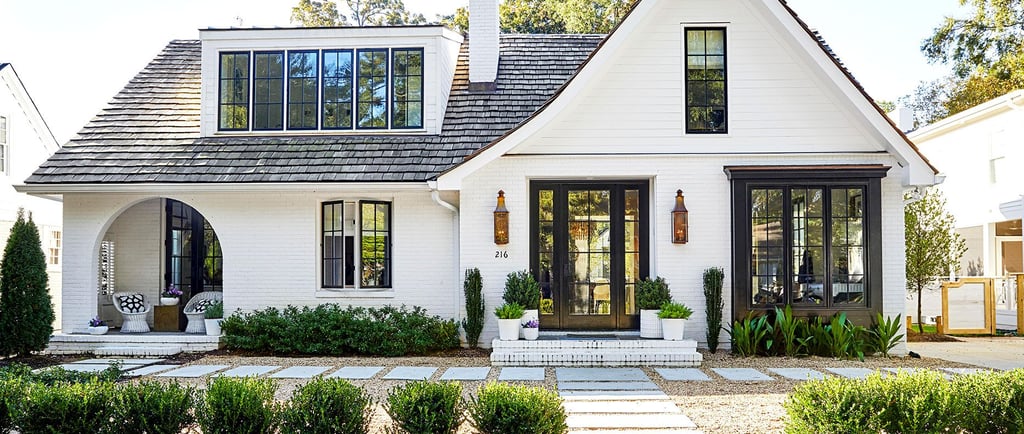
Transform Your Home with Ancient Wisdom: Essential Vastu Principles for Building Your Dream Space
In the rich tapestry of Indian architectural wisdom, Vastu Shastra stands as a time-tested science that has guided homeowners for thousands of years. More than just a set of rules, Vastu represents the harmonious integration of cosmic energies with our living spaces, creating environments that promote health, prosperity, and peace.
What is Vastu Shastra?
Vastu Shastra, derived from the Sanskrit words 'Vastu' (dwelling) and 'Shastra' (science), is an ancient Indian architectural system that focuses on aligning buildings with natural forces and the five elements—earth, water, fire, air, and space. This 5,000-year-old practice isn't mere superstition; it's based on the understanding of energy flow, solar patterns, and magnetic fields that influence our daily lives.
For Indian homeowners planning to build their dream home, understanding Vastu principles can be the difference between a house that drains energy and one that nurtures prosperity.
Key Vastu Principles for Building Orientation
1. Plot Selection and Shape
The foundation of good Vastu begins with selecting the right plot. Square or rectangular plots are considered most auspicious, as they allow for balanced energy distribution. Avoid irregular shapes like triangular or L-shaped plots, which can create energy imbalances.
2. Building Direction
The main entrance ideally faces north or east, welcoming positive cosmic energy and sunlight. North-east is considered the most auspicious direction, associated with prosperity and spiritual growth. Avoid south-west facing main entrances, as they're believed to bring obstacles.
Strategic Placement of Rooms
Master Bedroom
Position the master bedroom in the south-west corner of the house. This direction provides stability, strength, and better sleep quality. The head should point south or east while sleeping for optimal rest and health benefits.
Kitchen
The kitchen belongs in the south-east corner, governed by Agni (fire element). This placement ensures proper ventilation and captures morning sunlight. If south-east isn't possible, the north-west is an acceptable alternative.
Living Room
The north or east side is ideal for the living room, as these areas receive ample natural light and positive energy. This placement encourages social harmony and welcomes prosperity.
Pooja Room
The north-east corner, known as 'Ishan Kon', is the most sacred space in Vastu. This area should be kept clean, clutter-free, and reserved for prayer and meditation.
Bathrooms and Toilets
Place these in the north-west or west directions. Ensure toilets are never in the north-east, as this is considered highly inauspicious and can drain positive energy from the home.
Tips for Positive Energy Flow
1. Open Spaces
Maintain maximum open space in the north and east portions of your plot. This allows positive energy to enter freely and circulate throughout the home.
2. Height Balance
Keep the south and west walls higher and heavier than the north and east walls. This creates a protective shield while allowing beneficial energies to flow in.
3. Center Space (Brahmasthan)
The central area of your home should remain open and light. Avoid placing heavy furniture, pillars, or staircases here. This space is considered sacred and should facilitate energy circulation.
4. Water Elements
Position water features, overhead tanks, and borewells in the north-east. Underground water storage works well in the north-east or north directions.
5. Natural Light and Ventilation
Ensure maximum windows in the north and east for natural light. Proper ventilation is crucial for maintaining positive energy and good health.
Practical Advice for Indian Homeowners
Start with Consultation
Before finalizing architectural plans, consult with both a Vastu expert and your architect. Modern Vastu consultants can work with contemporary designs to incorporate principles without compromising aesthetics.
Balanced Approach
Vastu should complement modern construction standards, not conflict with them. Municipal regulations, structural safety, and practical needs should never be compromised.
Corrections and Remedies
If your existing home doesn't align perfectly with Vastu, don't worry. Simple remedies like placing mirrors, crystals, or plants in specific locations can help balance energies without major renovations.
Real-World Examples
The Sharma Residence, Mumbai
The Sharma family redesigned their home entrance from south-west to north-east by creating a new pathway. Within months, they reported improved family relationships and unexpected business opportunities.
Builders in Bangalore
Several prominent builders in Bangalore now market "Vastu-compliant" apartments, noting that these properties sell 30% faster than non-compliant ones, demonstrating the continued relevance of these principles.
Conclusion
Vastu Shastra offers timeless wisdom for creating harmonious living spaces that support your wellbeing and aspirations. While not every principle may be perfectly applicable to your specific situation, incorporating key Vastu guidelines during the building phase—when changes are easiest and most cost-effective—can create a home that truly nurtures your family's growth and happiness.
Remember, the goal isn't rigid adherence to ancient rules, but creating a space where energy flows freely, natural elements are balanced, and your family thrives. Whether you're building from scratch or planning renovations, these Vastu principles provide a valuable framework for making thoughtful decisions about your most important investment—your home.