Fintec and consumer behaviour
Discover how financial technology is transforming consumer behavior in the USA. Learn how fintech apps like Chime, Robinhood, Venmo, and Affirm are reshaping digital banking, investing, and spending habits in 2025.
matrix
11/27/20253 min read
Financial Technology and Consumer Behavior in the USA: How Fintech Apps Are Changing Money Management in 2025
Primary SEO Keywords:
Fintech USA, consumer behavior fintech, US digital banking trends 2025, mobile banking apps America, how fintech changes investment habits
Introduction
Financial technology—better known as fintech—has revolutionized the way Americans save, spend, invest, and borrow. From cashless payments to instant investing apps, fintech has reshaped consumer expectations and created a fully digital financial culture across the United States.
In 2025, fintech adoption in the U.S. is at an all-time high, influencing everything from budgeting habits to long-term investment choices. This blog explains exactly how fintech is transforming consumer behavior in the USA.
What Are Fintech Apps in the USA?
In the United States, fintech apps cover a wide range of financial services such as:
Mobile banking: Chime, SoFi, Ally Bank
Investing & trading: Robinhood, Fidelity, Webull
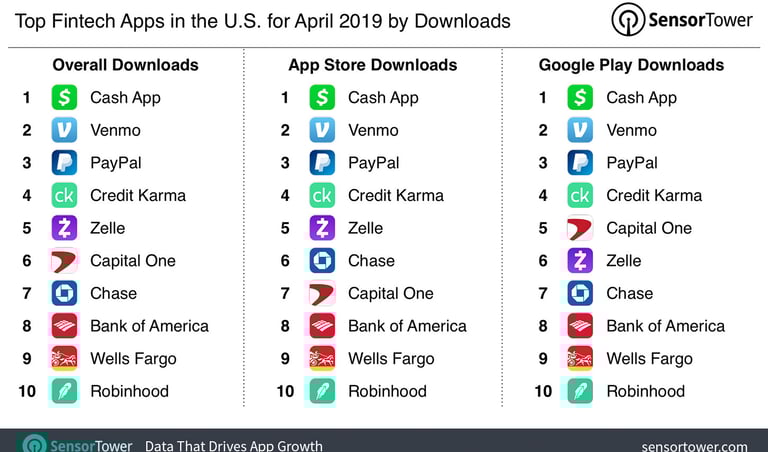
Payments: PayPal, Venmo, Cash App, Apple Pay
BNPL (Buy Now, Pay Later): Affirm, Klarna, Afterpay
Budgeting & credit: Mint, Credit Karma, Rocket Money
These platforms replace traditional paperwork and slow processes with instant, digital, app-based experiences.
How Fintech Is Transforming Consumer Behavior in the USA
1. Americans Demand Convenience and Instant Banking
U.S. consumers now expect:
24/7 mobile banking
Instant money transfers
Zero-fee accounts
Digital debit cards
Mobile check deposits
Fintech apps have set a new standard for speed, making traditional banking seem slow and outdated.
2. Rise of Commission-Free Investing & DIY Traders
The U.S. has seen a massive boom in first-time investors thanks to:
Zero-commission trading apps
Fractional shares
Easy-to-understand investment dashboards
Educational tools for beginners
Platforms like Robinhood and Webull have turned millions of Americans into DIY retail investors.
3. BNPL Is Changing the Way Americans Shop
Buy Now, Pay Later apps such as Affirm, Klarna, and Afterpay have changed consumer purchasing behavior.
People can:
Split payments into installments
Buy higher-value products stress-free
Shop more frequently
Avoid credit card interest
BNPL has become a mainstream financial behavior in the U.S., especially among Gen Z and millennials.
4. Personal Finance Apps Encourage Better Money Habits
U.S. consumers use budgeting apps for:
Expense tracking
Automatic savings
Credit score monitoring
Bill reminders
Apps like Mint and Rocket Money help users build healthier financial habits with personalized insights.
5. Increased Trust in Digital-Only Banks
Neobanks like Chime and SoFi Bank are replacing traditional checking accounts for many Americans.
Why?
No hidden fees
Early paycheck deposit
High APY savings
Excellent mobile experience
This shift shows Americans trust mobile-first banking more than ever.
Key Reasons Why Americans Prefer Fintech Apps
Consumer NeedFintech SolutionSpeed & simplicityOne-tap transactionsTransparencyNo-fee accounts, real-time trackingSecurityBiometrics, encryptionPersonalizationAI-based recommendationsMobilityBanking without visiting a branch
Fintech aligns perfectly with the fast, digital lifestyle of American consumers.
FAQ: Financial Technology & Consumer Behavior in the USA
Q1: How has fintech changed consumer behavior in the United States?
Fintech has made Americans more digitally dependent, encouraging them to manage finances via mobile apps rather than physical banks. It has increased financial awareness, improved investment participation, and accelerated cashless payments.
Q2: What are the most popular fintech apps in the USA?
Some of the most widely used fintech apps among Americans include:
Venmo & Cash App – for peer-to-peer payments
Robinhood & Fidelity – for investing
Chime & SoFi – for digital banking
Affirm & Klarna – for BNPL
Mint & Credit Karma – for budgeting and credit tracking
Q3: Is digital banking safe in the U.S.?
Yes. Most fintech platforms are protected by:
FDIC insurance (for eligible accounts)
Bank-level encryption
Multi-step authentication
Fraud protection systems
As long as users install apps from trusted providers, U.S. fintech is considered secure.
Q4: How is fintech influencing investment decisions in the USA?
Fintech apps provide:
Real-time market analytics
Zero-commission trading
Automated investing (robo-advisors)
Fractional share buying
These features encourage Americans to invest more frequently and confidently.
Q5: Will fintech replace banks in the United States?
Fintech will not fully replace banks, but it is pushing them to modernize. Many U.S. banks are now partnering with fintech companies to deliver faster and more digital experiences.